The Importance of Competence in HAZCON: Why Experience Matters in Gas Construction
In the gas construction industry, safety is paramount. One of the most critical tools for ensuring that safety during the design and planning phases is a well-executed HAZCON (Hazard in Construction) process.
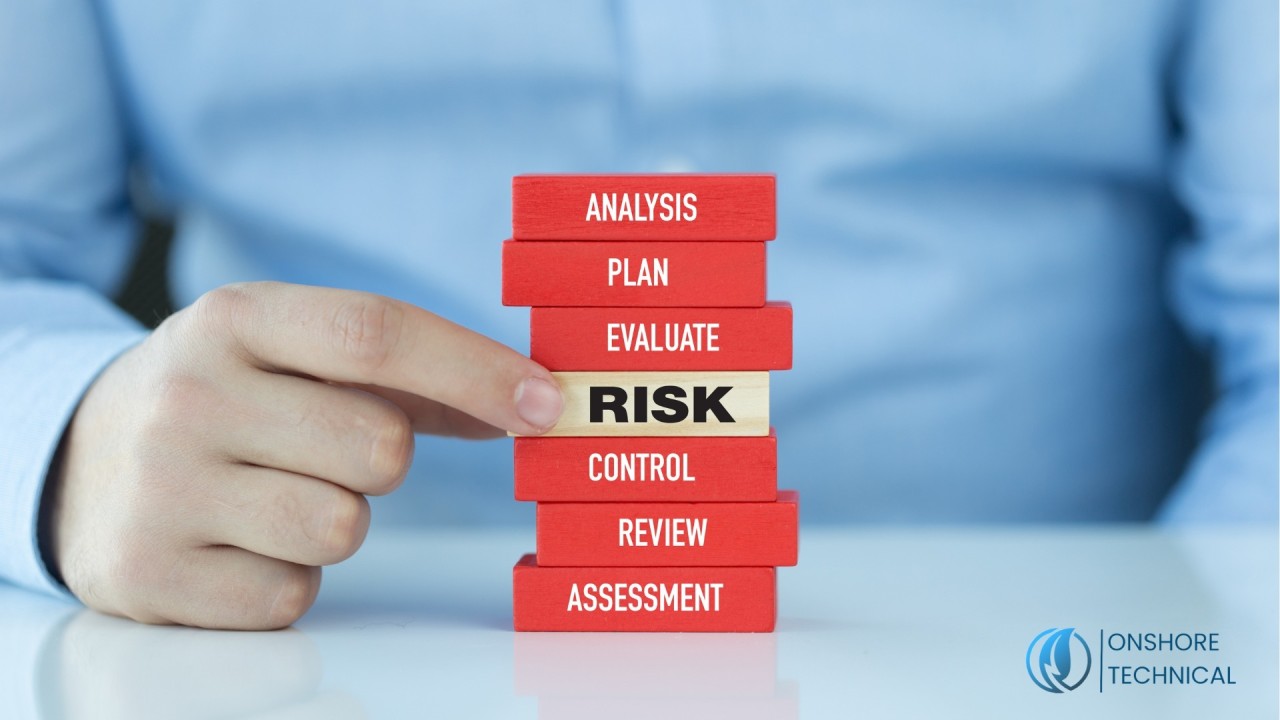
A robust HAZCON assessment identifies potential hazards, evaluates their associated risks, and establishes control measures to mitigate or eliminate them. Given the complexities inherent in gas construction; whether working on pipelines, compressor stations, AGIs, or PRIs, this process plays a vital role in protecting workers, the public, and the environment.
However, a HAZCON is only as good as the people conducting it. Its success depends heavily on the experience, knowledge, and competence of the participants, alongside genuine ‘buy-in’ from all critical stakeholders.
Inexperienced personnel can significantly undermine the integrity of the process, leading to critical risks being missed. In this article, we explore why experience is non-negotiable in gas construction HAZCONs.
What Makes a Good HAZCON Process?
A well-structured HAZCON is far more than a desktop exercise to satisfy a CDM requirement; it is an essential tool for managing risk in hazardous environments. In gas construction, a comprehensive HAZCON must effectively:
1. Identify Hazards This goes beyond the obvious. Experienced eyes are needed to spot complex interactions, including:
-
Physical Hazards: Pressurised systems, lifting operations, and plant interfaces.
-
Environmental Risks: Confined spaces, DSEAR zones (explosive atmospheres), and the impact of weather.
-
Human Factors: The potential for error due to fatigue, complex procedures, or insufficient training.
2. Assess Risk Levels Evaluating impact in terms of both likelihood and severity requires judgement that only comes from experience. This assessment helps prioritise which risks need immediate engineering solutions versus procedural controls.
3. Implement Effective Controls Once risks are defined, practical measures must be put in place. This ranges from physical barriers and engineering controls to robust organisational systems like SCO (Safe Control of Operations) work permits and TR17 isolation procedures.
4. Monitor and Review via the CDM Register A HAZCON is not a one-off task. It is an iterative process that must adapt to changing conditions, with all findings clearly captured on the CDM Risk Register and communicated to the site teams.
For this process to work, it must be led by an experienced HAZCON Chair someone with the authority and expertise to challenge assumptions and ensure engagement from the whole team.
The Risks of Inexperienced Personnel
Putting inexperienced personnel in charge of, or even participating heavily in, a HAZCON can severely compromise its integrity. The dangers include:
-
Failure to Identify Critical Hazards: An experienced engineer knows the uncommon failure modes associated with gas infrastructure. Inexperienced personnel may overlook these, leading to hidden dangers that only manifest during construction, causing significant delays and cost overruns.
-
Inadequate Risk Assessment: Without a deep understanding of gas processes and materials, individuals may underestimate the severity of a hazard, leading to insufficient safety measures being applied.
-
Improper Control Measures: A competent professional knows when an existing safety system is inadequate. Inexperienced personnel may suggest generic or outdated measures that fail to provide real protection.
-
Inability to Adapt: Construction conditions change rapidly. Experienced professionals recognise when a change in scope requires an updated HAZCON. Inexperienced personnel might fail to adjust their approach, increasing the risk of incidents.
The Path Forward: Investing in Expertise
The gas construction industry is highly specialized and unforgiving. It requires professionals who understand the complexities of the systems they are designing and building.
A poorly executed HAZCON doesn’t just risk regulatory fines or project delays, it risks lives and catastrophic environmental damage.
Investing in experienced HAZCON professionals, both Chairs and participants, is an investment in certainty. It ensures compliance with legal frameworks like CDM 2015 and provides confidence that risks are being managed, not just documented.
At Onshore Technical, we understand the gravity of this role. We provide the experienced personnel required to ensure your projects are safe by design and safe to build.
For more information on how we can support your next project, get in touch.
 0330 043 9006
  info@onshoretechnical.co.uk
  www.onshoretechnical.co.uk