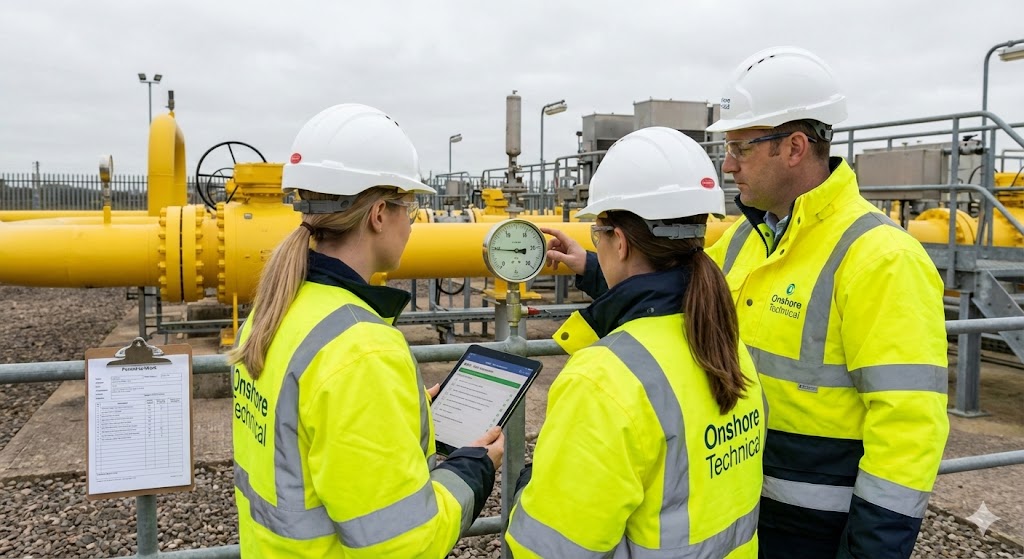
The Importance of a Robust Quality Management System in the Gas Industry
Operating in the UK gas industry presents significant challenges. We work in high-risk environments where safety, regulatory compliance, and operational efficiency are not just goals, they are absolute necessities.
In gas transmission and distribution, any deviation from established procedures can result in serious safety incidents, environmental harm, and costly project delays.
This is where a Quality Management System (QMS) becomes the backbone of successful delivery. For companies involved in gas infrastructure, whether through design, construction, commissioning, or ongoing operations, a robust QMS provides the structured framework needed to ensure work is conducted in line with IGEM standards, HSE regulations, and client expectations.
Why a Strong QMS is Essential
A QMS is not just about paperwork; it is the foundation for achieving compliance and reliability. In an environment dominated by hazardous materials and pressurised systems, the consequences of poor quality are severe.
A well-implemented QMS delivers:
Regulatory Compliance: Ensures adherence to critical legislation, including the Health and Safety at Work Act 1974, Pressure Systems Safety Regulations (PSSR) 2000, and Gas Safety (Management) Regulations 1996.
Safety Assurance: Provides structured processes for hazard identification, risk mitigation, and emergency response.
Operational Efficiency: Reduces rework, prevents defects, and streamlines processes to optimise productivity.
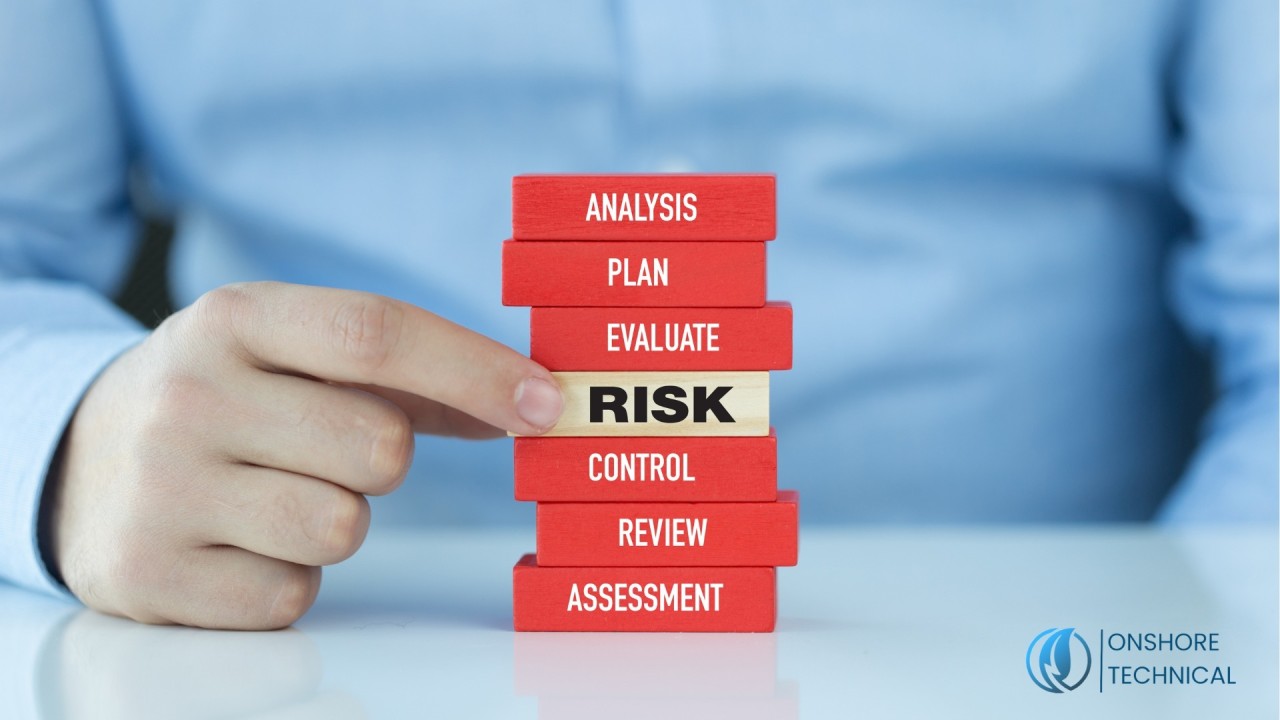
Risk Management: Identifies potential safety hazards and compliance risks before they escalate.
Key Safety Procedures in a Gas QMS
A QMS is only effective if it integrates robust safety procedures designed to protect personnel and asset integrity. At Onshore Technical, we ensure our consultants and candidates are well-versed in these critical components:
1. Risk Assessment & Hazard Identification Every task must be assessed before execution. This includes:
HAZID (Hazard Identification): Identifying risks during planning.
HAZOP (Hazard and Operability): Analysing potential failures in gas systems.
DSEAR Compliance: Managing risks associated with dangerous substances and explosive atmospheres.
2. The Permit-to-Work (PTW) System High-risk activities must be carried out under strict control, including:
Confined Space Entry Permits for enclosed environments.
Hot Work Permits for welding or cutting near gas assets.
LOTO (Lockout/Tagout) to ensure energy sources are isolated before maintenance.
3. Competency & Training Management A system is only as good as the people operating it. A QMS must ensure workers possess the necessary skills, including:
Mandatory certifications such as SHEA Gas and SCO (Safe Control of Operations).
Regular competency assessments and refresher courses.
Mentorship for less-experienced workers to maintain standards.
4. Asset Integrity & Maintenance Strict inspection procedures are vital to prevent failure, including:
Pressure testing pipelines to verify structural integrity.
Leak detection and continuous gas monitoring.
Predictive maintenance to address issues before they result in failure.
The Human Element of Quality Management
While a QMS provides the framework, it is the workforce that provides the solution.
Defining a Quality Policy and auditing your supply chain are vital steps, but the effectiveness of your QMS ultimately depends on the competency of the engineers, managers, and operatives on the ground.
At Onshore Technical, we understand this link between process and people.
Whether you need a consultant to help structure your QMS for an upcoming project, or the skilled labour to execute it, from SCO-qualified Competent Persons to Senior Project Managers; we provide the resource required to maintain compliance and safety.
Conclusion
A QMS is not just a regulatory hurdle, it is an essential tool for ensuring safety, reliability, and efficiency. By establishing robust procedures and deploying the right people to manage them, companies can mitigate risks and protect both their personnel and their reputation.
Need support with your next project? Whether you require technical consultancy or skilled recruitment to support your operations, contact us today.
 0330 043 9006
  info@onshoretechnical.co.uk